Cultiver un espoir flexible : un regard sur les cycles émotionnels de la maladie chronique

Alden taking his first independent steps in his gait trainer
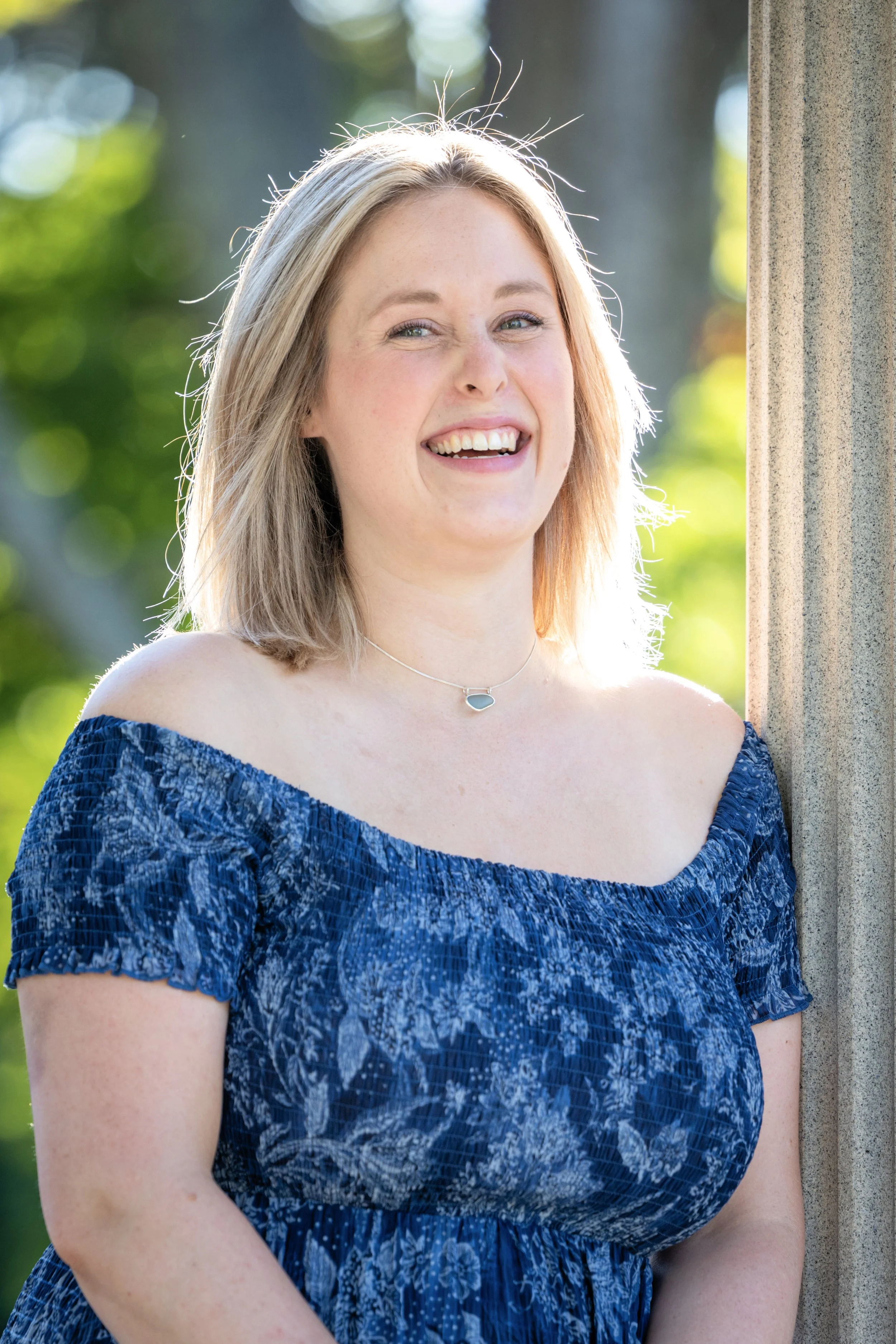
Par Laura Will
While stretching out my toddler’s stiff hamstrings, his physical therapist looked up at me and gently said, “We’d like to have your son fitted for a wheelchair.” My heart promptly fell into my stomach. I nodded, “Okay,” and stepped out of the room to collect myself. My little boy was working hard in his therapy sessions and making subtle, yet perceivable, progress. We were all doing our best. Out of the depths of post-diagnosis despair, I had rediscovered hope. I knew the expectation of ambulation was tenuous; however, in the midst of uncertainty, it was worth striving for. Stepping into the hallway, I felt myself letting go of the wheelchair-free future I had dared to entertain as a possibility. Once again, I was softening into acceptance.
Ce cycle émotionnel qui va de l'espoir au chagrin, du chagrin à l'acceptation, et de l'acceptation à l'espoir à nouveau est un voyage avec lequel mon cœur est devenu familier. La sagesse, à travers les âges, parle de la relation entre l'acceptation et l'espoir.
The 13th-century Islamic poet and scholar Rumi wrote, “Life is a balance of holding on and letting go.” In the world of rare diseases, the relationship between hope and acceptance is continuously at play.
With shifting symptoms, missed milestones, and novel treatment options, hope needs to intermittently be reinvisioned. In the midst of this ever-changing medical uncertainty, there is great value in cultivating flexible hope. We know from longitudinal research that the amount of hope individuals report has a predictive value on subjective well-being, weeks and months into the future (Heinitz, 2018). Neuroscientists exploring research in positive psychology are finding that not only does hope release feel-good endorphins, but a hopeful disposition can quite literally be seen in the structure of a brain (Song, 2020).
Without hope, there is little sense of self-agency, and resignation and depression can take hold. So, how do we cultivate this resilient force? Hope theory suggests that hope grows as we set goals, form workable strategies for achieving those goals, and possess positive beliefs about the ability to sustain goal-oriented behaviors (Worthen, 2010). All the while, it is critical to celebrate small incremental wins and trust that you are doing your best, no matter the outcome.
Je me suis retrouvée profondément déprimée immédiatement après le diagnostic de mon fils. Je n'avais pas encore accepté notre nouvelle réalité. J'étais en colère et remplie de peur. L'idée de me fixer un objectif provoquait un sentiment de deuil anticipé, car j'imaginais chaque étape manquée. Avec le temps, j'ai été capable de m'asseoir plus confortablement avec le chagrin, la colère a été en grande partie digérée et l'acceptation continue de s'infiltrer.
Si je ne peux pas faire confiance à la santé future de mon enfant, j'ai trouvé des choses auxquelles je peux faire confiance : ses médecins, son aide individuelle, mon partenaire, la cafetière, le rire et mon désir de prendre soin de mon fils. Le fait de nommer les choses en lesquelles nous avons confiance peut nous donner un certain sentiment de contrôle. Avec cette confiance, la peur est tenue à distance et, si nous sommes attentifs, de petits moments d'espoir commencent à se dérouler devant nous.
The same week we went to an equipment clinic to get measured for a pediatric wheelchair, I saw my son take his first independent steps in his gait trainer. Yes, his wheelchair will be an integral part of his life, and there is hope in that future too.
Sources :
Heinitz, K., Lorenz, T., Schulze, D., Schorlemmer, J. (2018). Comportement organisationnel positif : effets longitudinaux sur le bien-être subjectif. PLoS One, 13, e0198588.
Song Wang, Yajun Zhao, Jingguang Li, Han Lai, Chen Qiu, Nanfang Pan, Qiyong Gong, Neurostructural correlates of hope: dispositional hope mediates the impact of the SMA gray matter volume on subjective well-being in late adolescence, Social Cognitive and Affective Neuroscience, Volume 15, Issue 4, April 2020, Pages 395–404.
Worthen, V., & Isakson, R. (2010). Hope-the anchor of the soul: Cultivating hope and positive expectancy. Issues in Religion and Psychotherapy, 33(1), 9.
A propos de Rare Resiliency :
Rare Resiliency est une chronique mensuelle écrite et/ou animée par Laura Will. Cette chronique explore les concepts et les compétences qui jouent un rôle protecteur contre le stress chronique et aigu. Chaque article met au défi et encourage le lecteur à continuer à développer cette force intérieure qui le stabilise face à la maladie et à l'incertitude, à la tristesse et à la joie.