Naviguer dans l'échec de la croissance : Le parcours d'une mère à travers le diagnostic et la prise de décision
A story about the power of diagnostic language and informed decision-making in the management of complex and rare disease
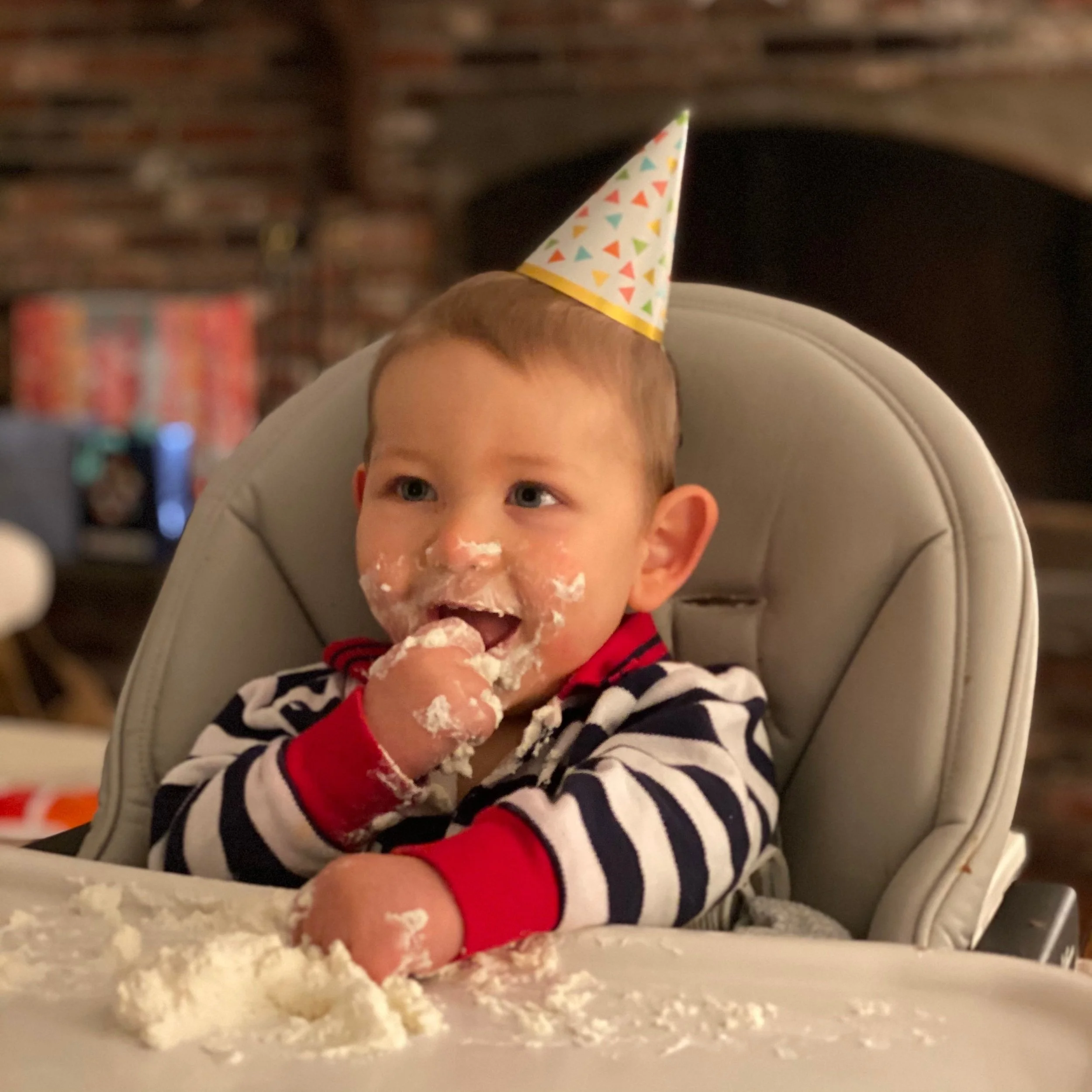
1er anniversaire d'Alden (avant l'opération)
Par Laura Will
I can recall the sunny, white-walled classroom, on the upper west side of New York City, where I first heard the medical term, “Failure to thrive.” I was a student, working towards a Master’s Degree in Nursing, reviewing diagnostic criteria of various gastrointestinal conditions. Failure to thrive: a failure to meet nutritional needs due to poor intake, metabolic issues, or other underlying conditions. I remember the professor pausing, after defining ‘failure to thrive’ and its potential causes, to say something like, “What a terribly named diagnosis.” This offhand comment has stayed with me. Both the label of a diagnosis and the language of a clinician wield power within the patient.
When I entered the workforce as a geriatric palliative care clinician, I sometimes found myself documenting this diagnosis on my most complex and frail patients; but I was careful not to use the words “failure to thrive” with a patient or caregiver. To fail to thrive implies so much more than the inappropriate weight gain (or weight loss) it is supposed to describe. I became well practiced in thoughtful language around this difficult diagnosis, while also appreciating all it captured. My elderly patients with failure to thrive did in fact seem to be doing just that. Their overall fatigue and frailty often suggested more than just a nutritional issue. In clothing that hung too loosely, these patients, waning and waning, were phantoms of their former selves.
Ensuite, je suis devenue la mère d'un enfant présentant des problèmes médicaux complexes, et son poids s'est stabilisé à l'âge de dix mois. Il pesait 17 livres à chaque pesée, mois après mois. Chaque nouveau spécialiste le plaçait sur le pèse-bébé, et il restait allongé là à me regarder, pesant dix-sept livres. Malgré mes heures de dévouement quotidien à essayer de le nourrir, son état neurologique sous-jacent rendait la déglutition trop difficile à coordonner efficacement. L'incapacité à se développer a été ajoutée à la liste croissante des diagnostics de mon enfant, et cela nous semblait juste, à tous les deux.
"C'est ce que les soins palliatifs font le mieux : prendre des décisions où la qualité de vie est le véritable nord."
I was thankful to know that we had options. Our son’s rehab doctor suggested we consider surgically inserting a gastronomy tube (g-tube) so that food and water could be delivered to his stomach without relying on oral feeding. Despite his poor nutritional status and my clinical training, I was unsure what was best for my child. Additionally, with almost every medical intervention, there is inherent risk and suffering. So, I reached out to the pediatric palliative care team and we had a memorable conversation around this decision. It was strangely joyous. We centered the conversation around his well-being, and we discussed family values, my son’s unknown developmental potential, and what mealtime might look like moving forward. This is what palliative care does best: decision-making where quality of life is true north.

Alden, post-surgery (morphine snuggles)
With all we had learned and prioritized, we decided to move forward with g-tube surgery. I had to reframe my expectations of how my child would enjoy family dinners. I had to let go of the concept that I could do this alone. About two weeks later, I carried him into the surgical suite hoping this was the right decision, and watched his seventeen-pound body go limp with anesthesia. I held him as he woke, confused and screaming in postoperative pain. The nurse tried to console him with a binky dipped in sugar water; but ultimately, he received IV morphine and once again went limp in my arms. It was awful; and yet, I had been as prepared, as much as possible, for this through the process of informed consent decision-making with the palliative care and surgical teams. Thirty-six hours later we were discharged home with tubing, formula, and instructions on post-surgical care. It was January, 2021.
Rarely in medicine can we look back at one treatment decision, and see unilaterally good outcomes. My now toddler has been gaining weight steadily from less than the first percentile to almost the tenth percentile on the growth curve. With his formula food slowly pumping into his belly, he plays with his puréed foods at family meal times with no pressure to perform. It’s fun for everyone and routinely leads to extra loads of laundry. That being said, he vomits routinely from reflux and his g-tube stoma insertion site gets rashes occasionally and is always sensitive to the touch; these were known risks. He looks uncomfortable and occasionally cries when we clean it quickly twice a day. We do what we can to mitigate this ongoing pain.

Alden à l'école, octobre 2022
A week ago, in October 2022, my son’s gastroenterology doctor casually turned to me at the end of our most recent routine appointment and said, “I’m officially taking ‘Failure to thrive’ off his diagnostic list.” To my surprise, a diagnostic burden that I did not realize I still held on to finally dropped away. It had been almost exactly two years since my son first weighed in at seventeen pounds. In that time, my son and I have been fighting failure. We have been learning to survive; and, we have renovated the definitions of what it is to thrive. We now thrive within the confounds of our conditions - he as a medically complex child, and me as his mother.
As patients and clinicians, there is power in a diagnosis, in the language we use, and in the informed decision-making process. We need to discuss the nuances of a diagnosis and the risk of benefit and the risk of harm of any treatment. The conversation must include the values of the patient and family and the expectations for quality of life. This is the best we can do at every turn in the treatment odyssey of rare and complex diseases.
Failure to Thrive, a poem
(By Laura Will, written just after the surgical consult)
Depuis un certain temps, nous avons remarqué
les points d'encre que les médecins suivent
doublure plate
Malgré tout
le broyage et le mélange
tamisage et écopage
de chaque création culinaire fortifiée
même avec une équipe de spécialistes
des milliers d'allaitements
et des dizaines de milliers de cuillerées
en dépit de tous ces avalements réussis,
nous sommes ici
pour une consultation chirurgicale
contemplant le poids de toi
sous forme de points noirs horizontaux
conduisent vers l'avant, mais pas vers le haut.
Nous survivons.
A propos de Rare Resiliency :
Rare Resiliency est une chronique mensuelle écrite et/ou animée par Laura Will. Cette chronique explore les concepts et les compétences qui jouent un rôle protecteur contre le stress chronique et aigu. Chaque article met au défi et encourage le lecteur à continuer à développer cette force intérieure qui le stabilise face à la maladie et à l'incertitude, à la tristesse et à la joie.

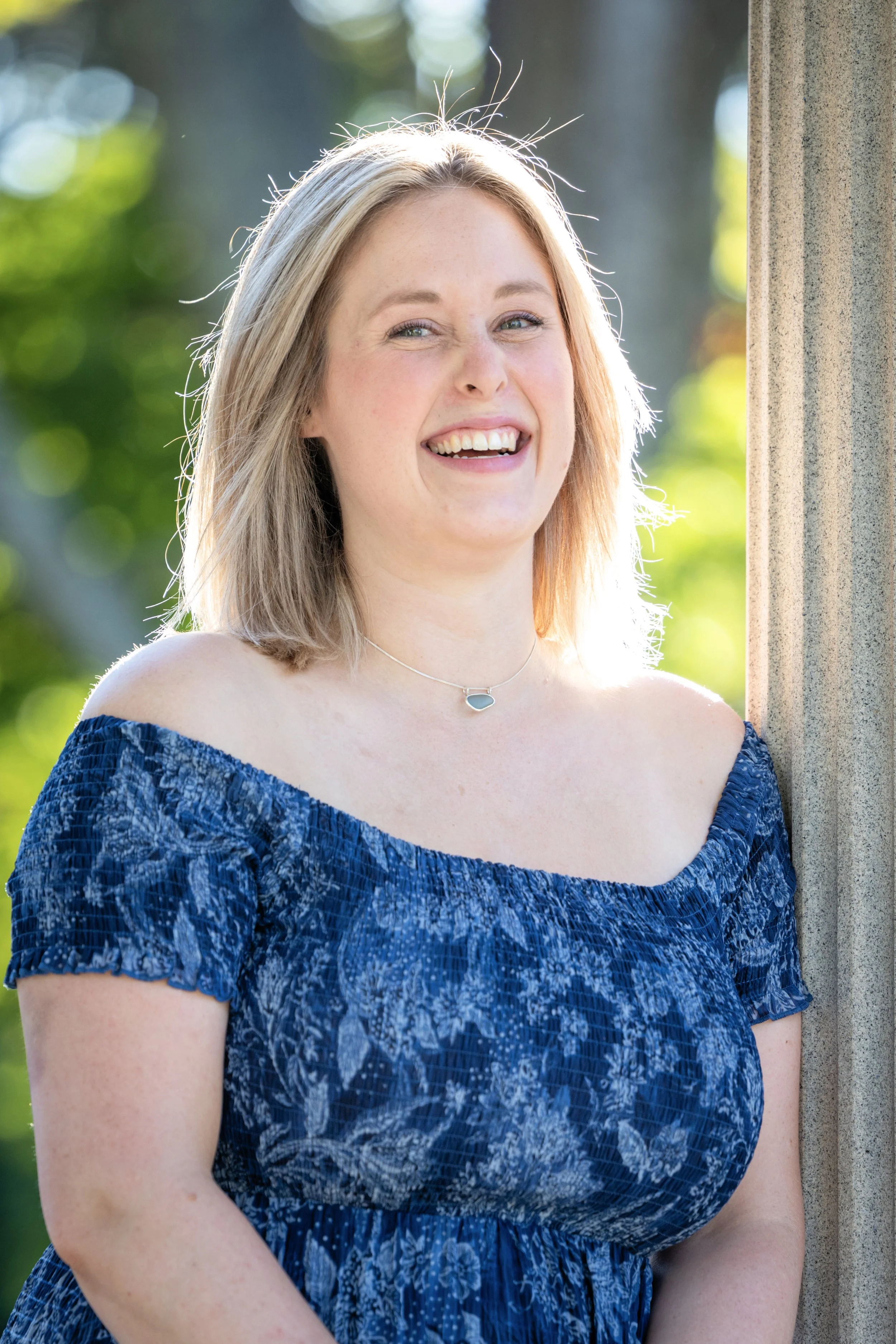
En plus d'être une mère, une épouse, une fille, une sœur et bien d'autres choses encore, Laura Will est également un membre important de l'équipe de Know Rare. Elle aide et dirige l'examen des informations relatives à l'inclusion et à l'exclusion des essais cliniques pour soutenir nos défenseurs des patients et leurs conversations avec les patients qui s'informent sur les essais cliniques.