La langue du rare

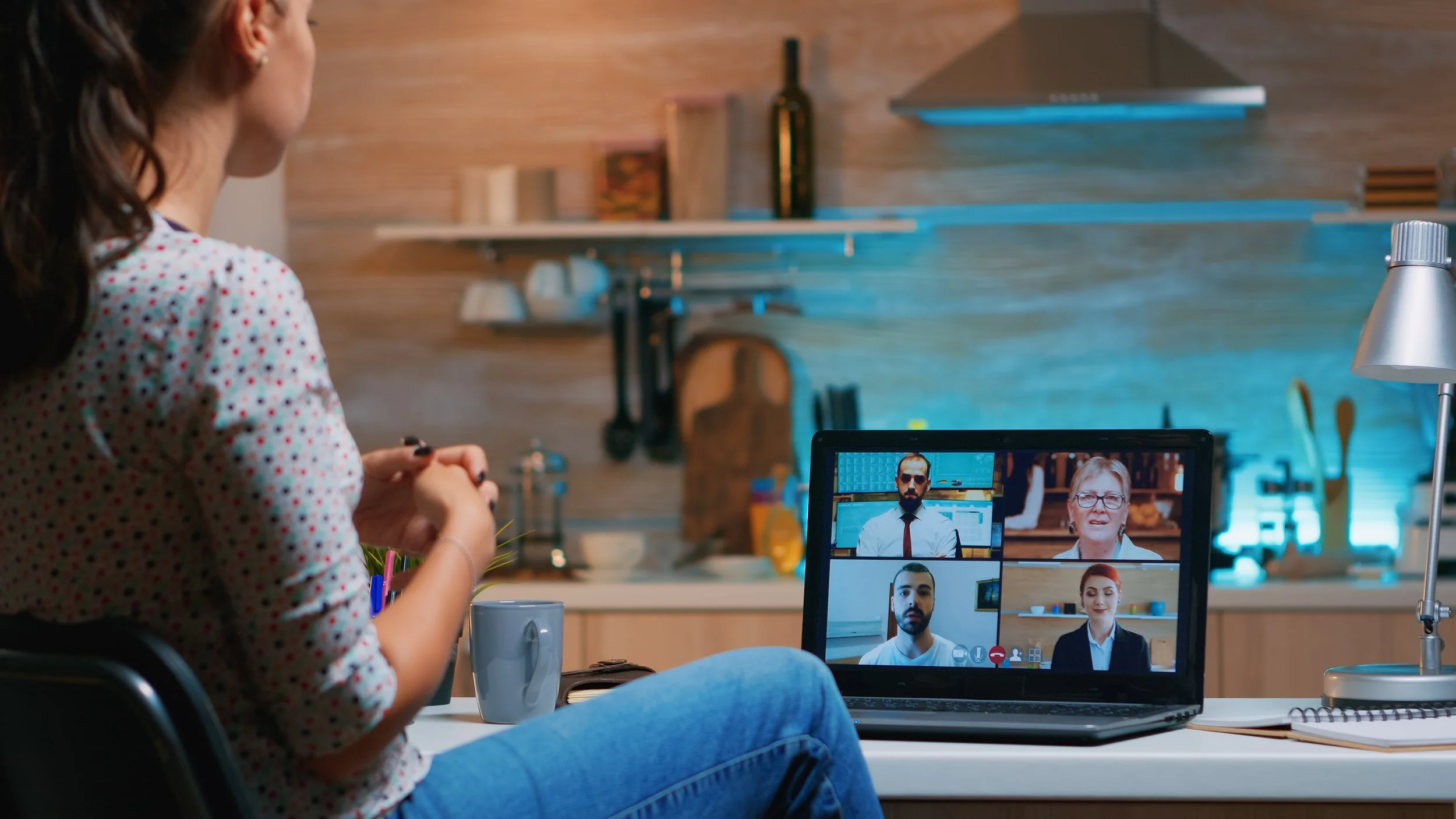
Image par Freepik
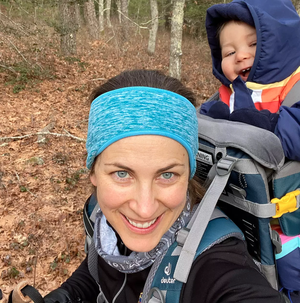
Par Laura Will
When we enter the world of rare disease, our vocabularies rapidly expand. At first, it is the medical language: tongue-twister diagnoses and medications. We become increasingly adept at recounting the rare medical journey to the next doctor or concerned friend. It can be an exhausting process, but with time the jargon feels less foreign and less frightening. We begin to take ownership of the story.
En tant que mère d'un enfant souffrant d'une complexité médicale et d'un handicap grave, j'ai rapidement réalisé que les mots que j'utilise ont le pouvoir de me donner du courage ou d'amplifier mes peurs. Cette prise de conscience m'a amenée à réfléchir à la façon dont je me décris en tant que mère, en tant qu'individu et en tant que famille.
Many parents of children with rare disease, and individuals with rare disease themselves, have a shift in identity. Often we need to shift our careers or our hobbies. Our days fill up with medical management tasks. We may not have the time or emotional/physical bandwidth to connect with old friends. Our identities are altered, either suddenly or slowly. The American lay preacher Joel Osteen once said, “I am – two of the most powerful words. For what you put after them shapes your reality.” And so, I challenge you to be intentional and kind as you finish the sentence, “I am ___ .”
Après le diagnostic de mon fils, je n'avais plus l'impression que le mot "maman" décrivait correctement mon rôle au sein de la famille. J'étais l'infirmière à domicile de mon fils, l'assistante sociale personnelle, l'avocate infatigable, et j'étais en deuil. Mon rôle s'était éloigné d'une expérience typique, et la combinaison "mère rare" a bien rendu compte de l'évolution de mon identité.
Pour ceux d'entre nous qui s'occupent des autres, les mots que nous utilisons pour les décrire ont le pouvoir d'encadrer leur expérience, pour le meilleur ou pour le pire.
For those of us caring for others, the words we use to describe them have the power to frame their experience, for better or for worse. The first thing I learned was to use person-first language. For example, my son is not a “disabled kid;” he is a “kid who lives with a disability.” It has been a process of trial and error. Now, instead of telling strangers who kindly try to engage him in conversation that he is “non-verbal,” I say, “he does not use words to communicate.” This clarifies that he is not going to give them the verbal response they expect, while also implying that he does communicate.
When speaking to other rare parents about these public interactions, when strangers, nurses, or school teachers may not see our kids the way we see them, we agree that it can be tiring, demoralizing, and frustrating. Perhaps they have not (yet!) had the life experience that has enlightened us to perceive the innate humanity and worth at the center of every person. Instead, they see what is different, ill, or disabled; perhaps, they even use language that we have learned does no good. One mom spoke about how it takes a not-so-negligible amount of energy to engage with people who don’t get it, who don’t know, or who cannot see our child as we do. But, she finds herself engaging with these people anyway, because (in her words), “if I don’t, who will?”
Finding the language that suits us is an important part of the journey. It’s a responsibility; our language has a really profound impact. After sharing the diagnosis with another, caregivers often find we tack on uplifting comments like, “And he’s so happy and social,” or others say something like that back at us. What does this additional comment do? Does it make our child more approachable and relatable? Or are we somehow working too hard to justify their life, when we should not need to? Perhaps we should lead with these uplifting comments, instead of adding them as a kind of afterthought.
Our language teaches others a perspective, it reveals what we prioritize. So, next time I see someone looking inquisitively at me as I attach my son’s G-tube at the playground, they may get more than they bargained for when I turn to them and say, “Hi, yes, this is my son. He is 3 and loves playing with trains, and reading books, and absolutely adores his big sister. He is also a wheelchair user and is fed with a g-tube due to an ultra-rare condition. He communicates differently than you and me, but he understands everything we say. So, be careful with your words.”
"Si nous comprenions le pouvoir de nos pensées, nous les surveillerions de plus près. Si nous comprenions le pouvoir impressionnant de nos paroles, nous préférerions le silence à presque tout ce qui est négatif. Par nos pensées et nos paroles, nous créons nos propres faiblesses et nos propres forces." - Betty Eadie
Know Rare has developed a user-friendly journaling feature to the website, where you can keep notes for yourself over time, take self-reflective surveys, and continue to find your voice as a rare caregiver or patient. Click here to make a free account.
A propos de Rare Resiliency :
Rare Resiliency est une chronique mensuelle écrite et/ou animée par Laura Will. Cette chronique explore les concepts et les compétences qui jouent un rôle protecteur contre le stress chronique et aigu. Chaque article met au défi et encourage le lecteur à continuer à développer cette force intérieure qui le stabilise face à la maladie et à l'incertitude, à la tristesse et à la joie.