Changemaker dans l'acidification propionique et méthylmalonique : Kimberly Chapman, MD, PhD
Pour vraiment comprendre les subtilités d'une maladie rare, il faut un médecin d'un genre rare. Apprenez à connaître les spécialistes qui sont à la pointe de la recherche sur les maladies rares grâce à notre série intitulée Changemakers in Rare.

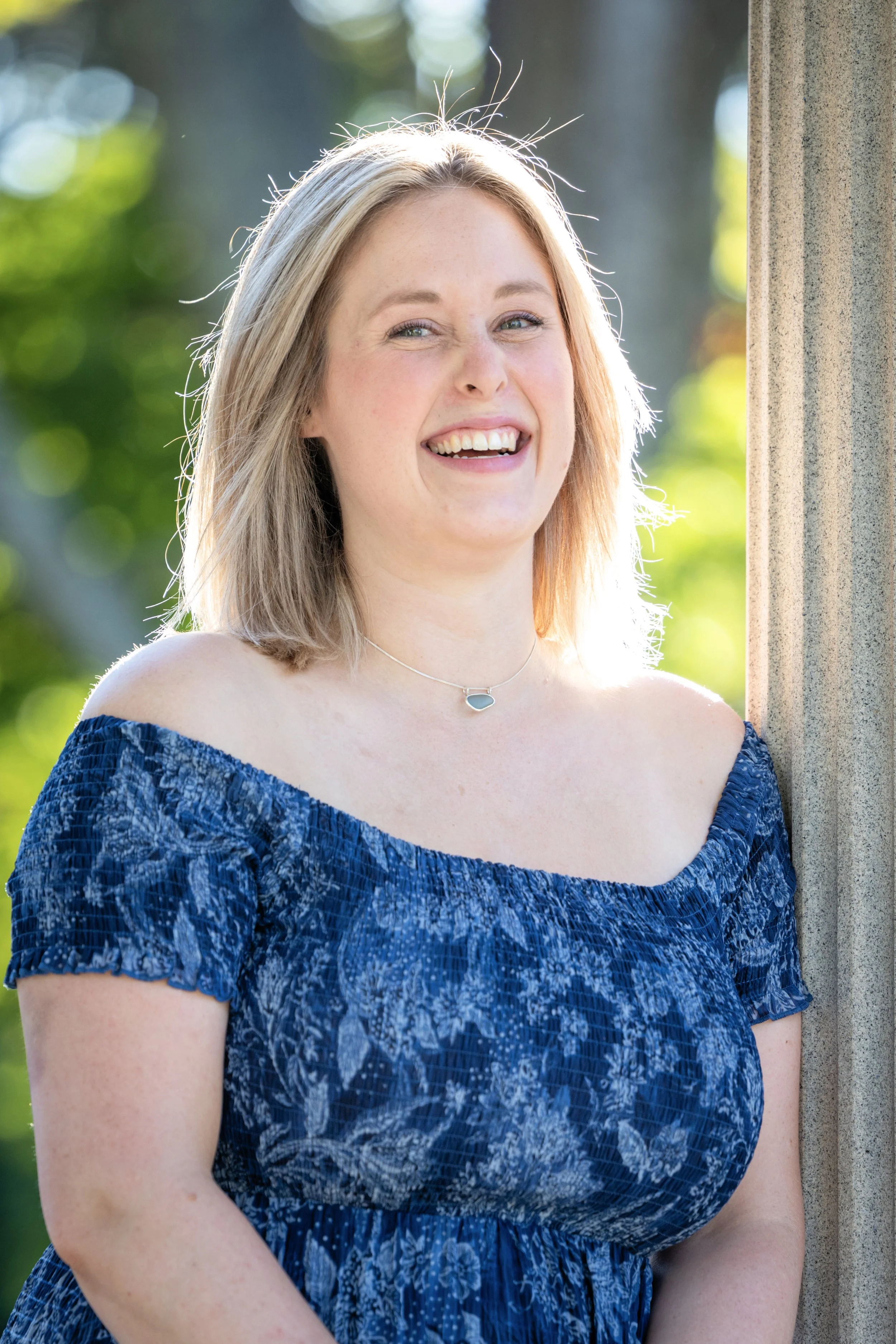
Dr. Kimberly Chapman, Medical Geneticist
For Kimberly Chapman, the path to rare disease research began with necessity. During her medical residency, she was inspired by a patient who lived with propionic acidemia (PA), a rare metabolic disorder. Dr. Chapman became determined to change the future of treatment for those living with propionic acidemia. i.). Today, she is a medical geneticist based at the Children’s National Hospital in Washington, D.C., and is a leading expert on PA and other mitochondrial diseases and metabolic disorders. She also serves as the director of the mitochondrial disorders clinic at Children’s National. Read on to learn more about Dr. Chapman’s work, and why she feels that clinical trials are a crucial pathway to rare disease therapies.
Qu'est-ce qui vous a poussé à devenir un spécialiste des maladies rares ?
J'ai toujours été fasciné par la génétique et l'ADN - mon premier emploi était dans un laboratoire où j'étudiais l'ADN. J'aimais le processus de diagnostic et la satisfaction que j'éprouvais à m'occuper de toute la famille. Au cours de mon internat et de mon stage dans ces domaines, j'ai pris soin d'une jeune femme atteinte d'acidémie propionique [une maladie héréditaire qui empêche l'organisme de décomposer certains éléments des protéines et des graisses], ce qui m'a beaucoup marqué. Je me suis sentie incroyablement frustrée par le manque de thérapies disponibles, et j'ai donc entrepris d'étudier l'AP - ainsi que l'acidémie méthylmalonique, une maladie apparentée - dans mon laboratoire.
De nombreux patients hésitent à participer à un essai clinique parce qu'ils ont peur de ce que cela implique. Quels conseils donneriez-vous aux personnes atteintes d'une maladie rare qui envisagent de participer à un essai clinique ?
We don't know a lot about rare disorders because they are rare. When you write up clinical guidelines that summarize the appropriate treatment for many of those rare disorders, it becomes very apparent that, up to this point, treatment was based on trying something out and seeing if it worked. In more recent times, we’ve been able to identify the best management practices by using natural history studies and seeing whether one therapy or another helped more in real-life situations. We can also figure out typical complications from these therapies. One often doesn't think of natural history studies as clinical trials, but they are. They become the basis for trials that compare a new medicine or intervention to the current standard of care guidelines. If you have a rare disease, our best chance in helping you or future folks with any rare disorder is to learn from your experience as part of a natural history study, and with your help as a participant in a therapeutic trial. If you don't participate, how can we help you and others with the same thing?
Quelle est la chose que vous voulez que les gens sachent sur votre travail et celui des autres spécialistes des maladies rares ?
I wear a lot of hats—as a basic science researcher, clinical trialist, clinician, and more—but they all have the same aim: to help individuals with rare diseases, and their families, to live better lives. If you ask me a question, I can answer from all of these perspectives. However, there is still a lot that we don't know about rare diseases. Sometimes the answer is, “I don't know at this time.” By participating in clinical trials, people living with rare diseases can help us to give that answer less than we have to now.