Soutenir les frères et sœurs en bonne santé d'enfants présentant des complexités médicales : Le point de vue d'une mère
A 5-minute read about the personal perspective of a mother raising both well and medically complex young children. You will learn about the impact a medically complex sibling can have on the family dynamic and resources that may support the well child in exploring their emotions.

Siblings Hadley (on the left) and Alden in a gait trainer (on the right) playing together.
Par Laura Will
“Only if we have a super baby.” -- This was my daughter’s response when I asked her if she would like another sibling. Puzzled, I asked, “What is a super baby?” She explained that a super baby is one that can learn to sit, crawl, talk, and maybe even walk — all the things her 2.5-year-old little brother cannot, and likely will not, do. He is her version of a ‘normal baby’ brother. A brother who sits at family meals, but is fed through a tube. He gets to have an iPad, to help him communicate. A stander to help him stand. A gait trainer to help him walk. Extra appointments and caregivers, just for him. She knows he is different; he is not a super baby. Our family speaks candidly about his diagnosis. While in many ways her brother is super (super smiley, super easygoing, super rare…), I appreciate her innocent honesty: having a brother like this does not always feel super, or fair.
Dans sa courte vie, elle a vu ses parents traverser des états de stress et d'accablement, tandis que son petit frère naissait au milieu d'une pandémie et qu'on lui diagnostiquait ensuite une maladie neurologique limitant sa vie. Malgré tous nos efforts pour maintenir un sentiment de stabilité, elle a observé avec perspicacité (et probablement intériorisé) certains aspects de nos angoisses. Elle nous voit aspirer des seringues pleines de médicaments et d'eau, jour après jour. Récemment, elle a pris l'habitude de demander son eau dans une seringue de 60 cm3, qu'elle presse joyeusement dans sa bouche au lieu d'utiliser un gobelet. Alors que pour mon mari et moi, les dispositifs médicaux et d'adaptation sont nouveaux et contextualisés, pour elle, ils sont les pierres angulaires de son concept du monde en pleine croissance et de son imagination d'enfant.
When playing with blocks, she shows me two entrances to her miniature castle: both stairs and a ramp. “Look Mom, I made it adaptive!” Wonderful. What an empathetic and expanded understanding of disability and equity. I savor these moments, but I know how having a sibling with medical complexity and disability has impacted her is not all good. The research regarding chronic disease on the well sibling shows that there are both positive and negative effects, in the short term as well as into adulthood. While empathy and compassion in siblings are measurably heightened, so is anxiety (2). Researchers have found a significant increase in utilization of the healthcare system across the lifespan for siblings of children with disabilities when compared to peers without disability in their household. Siblings often feel a caregiver burden, both as children and if they become adult caregivers of an adult sibling (3).
Il semble que l'on puisse s'attendre à un résultat mitigé de l'expérience des frères et sœurs. Ainsi, en tant que parent, j'essaie simplement de trouver des moyens d'embrasser le positif et d'affronter le négatif avec une intégrité honnête et autant d'outils et de ressources de communication que possible.

Sue Levine, a social worker who runs support groups for siblings, notes that “Kids feel a variety of feelings towards their siblings, and the primary feeling is not always love. Is it love some of the time? Yes, absolutely; but it’s also anger, frustration, embarrassment, all kinds of complicated feelings… maybe even hate,” (1). These complexities of emotions are inherent to human life; but perhaps more acute when growing up in a household with medical complexities or disability. It is important that siblings have a safe space to share these emotions, perhaps with a child life specialist through a pediatric palliative care group, in a support group or individual therapy, and open discussion with friends and family. By allowing these complex feelings to be shared, they are acknowledged and validated, and the child can release any secondary guilt for having harbored the emotions (side note: parents deserve this emotional validation and release as well!).
Our daughter is still quite young. When she meets with the child life specialist, she often works on little art projects or plays pretend doctor games, allowing her to weave a story, both imagined and real, through her play. Often she will share the completed artwork with me. In talking about the art with me, I can glimpse something I might not have seen otherwise about her perspective and mental state. Support groups and individualized therapy will be more appropriate for her at a later age.
Beyond the complex feelings, it’s important to address the facts. It is imperative for children to know that disability is not contagious and that they did not cause their sibling’s medical issues. Children’s mental construct of disability and illness are relatively uninformed; they may make small assumptions that make it more scary than it needs to be. Presenting too many facts would be overwhelming, but being open and curious about what questions they have is a wonderful approach. Follow their lead, and you will be able to clarify a concern and quell a fear. I intentionally carve out time every day, five minutes or a couple of hours, to be one-on-one and emotionally present with each of the children. We often just play, read, snuggle, or debate screen time. Upon reflection, this focused time might be just as important for me as it is for them.
It is also valuable to think about how to help our healthy children through moments of medical crisis. When things feel particularly out of control, I try to give my daughter both support and direction. When I voiced my anxiety about the trauma that might form from watching her brother have a grand mal seizure, our palliative care physician suggested, “When he has a seizure, as calmly as possible say to your daughter, ‘Your brother might enjoy having a stuffed animal with him when this seizure ends, could you find him one he might like?’” It gives her a measurable task to focus on and succeed in, plus a stuffed animal to hold.
There is no way to protect my daughter from anxiety and medical emergencies. There is no way to control all that I wish I could. And so, I am moving forward by modeling the behavior of controlling what I can and finding ways to cope with what I cannot. On my worst days, I like to remind myself that even if I parent perfectly, my children will still find something to complain about! Raising rare children is emotional and exhausting. In my daughter's words, “It feels unfair!” But I get out of bed each morning, put one foot in front of the other, and begin another day as a Super Mom. You can too.
Resources for siblings to those with rare diseases or disabilities:
Références :
Bartolotta, Theresa (3/18/2022). Safe Harbor: A Podcast for Parents of Children with Special Needs [Audio Podcast] Episode 5 An Important Conversation about Siblings of Children with Disabilities with Sue Levine.
Dinleyici M, Dağlı FŞ. Évaluation de la qualité de vie des frères et sœurs en bonne santé d'enfants atteints de maladies chroniques. Turk Pediatri Ars. 2018 Dec 1;53(4):205-213. doi : 10.5152/TurkPediatriArs.2018.6778. PMID : 30872922 ; PMCID : PMC6408193.
Roper, S. O., Allred, D. W., Mandleco, B., Freeborn, D., et Dyches, T. (2014). Charge des soignants et relations entre frères et sœurs dans les familles élevant des enfants handicapés et des enfants au développement typique. Familles, systèmes et santé, 32(2), 241.
A propos de Rare Resiliency :
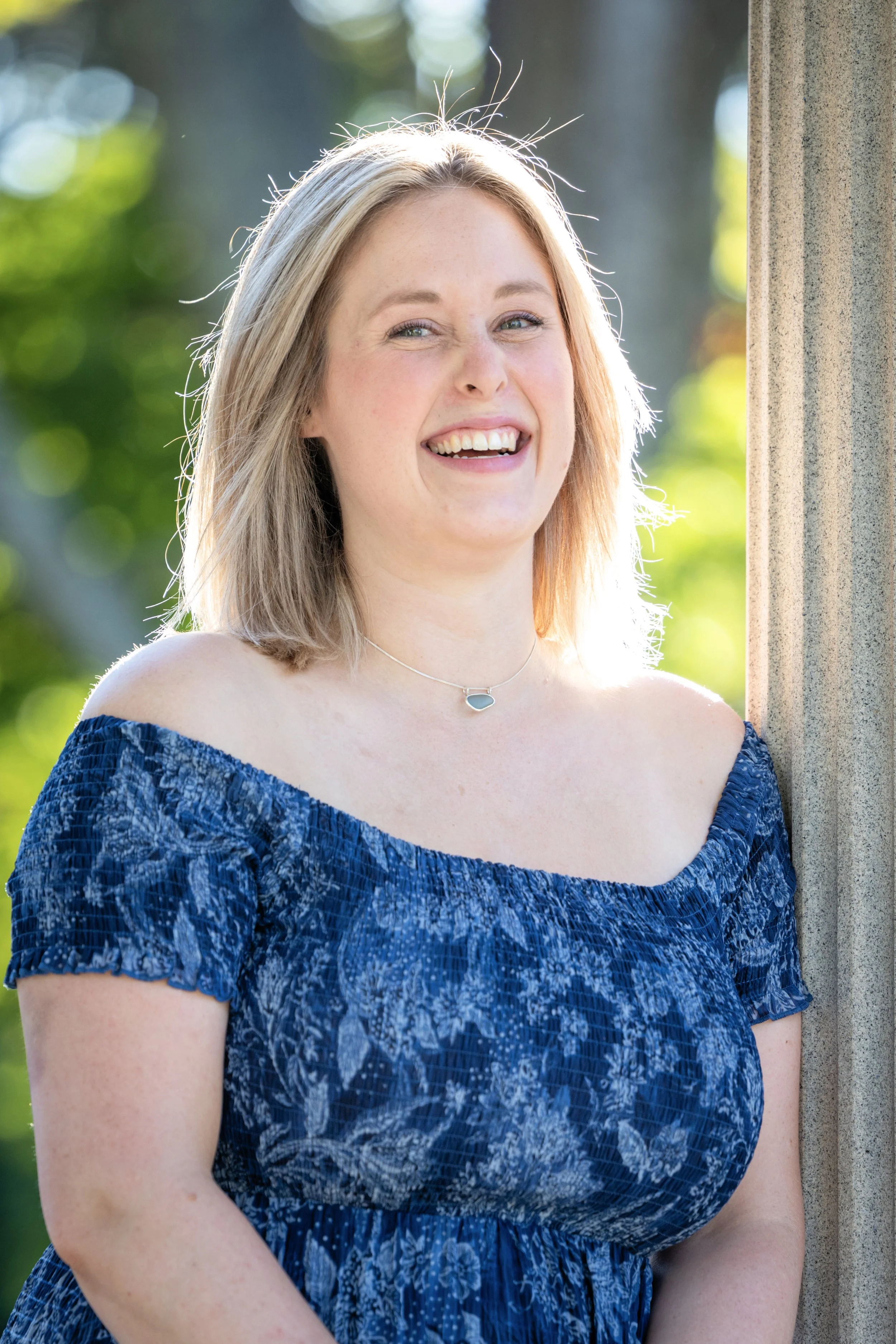
Rare Resiliency est une chronique mensuelle écrite et/ou animée par Laura Will. Cette chronique explore les concepts et les compétences qui jouent un rôle protecteur contre le stress chronique et aigu. Chaque article met au défi et encourage le lecteur à continuer à développer cette force intérieure qui le stabilise face à la maladie et à l'incertitude, à la tristesse et à la joie.